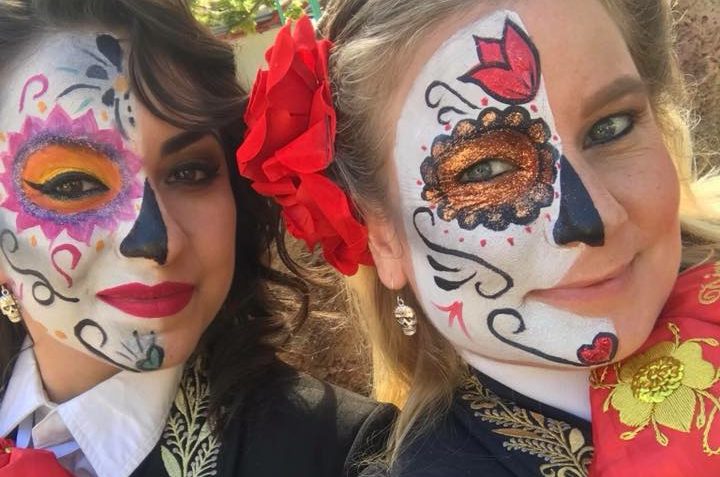
[dropcap size=big]W[/dropcap]hen we celebrate Día de Muertos, we celebrate the resilience of our pre-hispanic traditions and people. Traditions that root us to our ancestors, traditions that survived the conquest and the waves of systemic oppression that followed.
Día de Muertos is a practice ingrained in indigenous identity. The traditional and pre-hispanic practices of central and southern Mexicans which all modern interpretations stem from. For Zapotec people like myself and my family, muertos is an obligation to our ancestors, it's a feeling of honor, a feeling of undying love that knows no boundaries.
Dia de Muertos is not Mexican Halloween. Dia de Los Muertos is the direct translation of Day of the Dead, the los is not needed. Mi tia Libe, my eldest living aunt, a proud keeper of traditions informs me that in reality the day is called Dia de Los Muertos Fieles because only the loyal come back to visit.
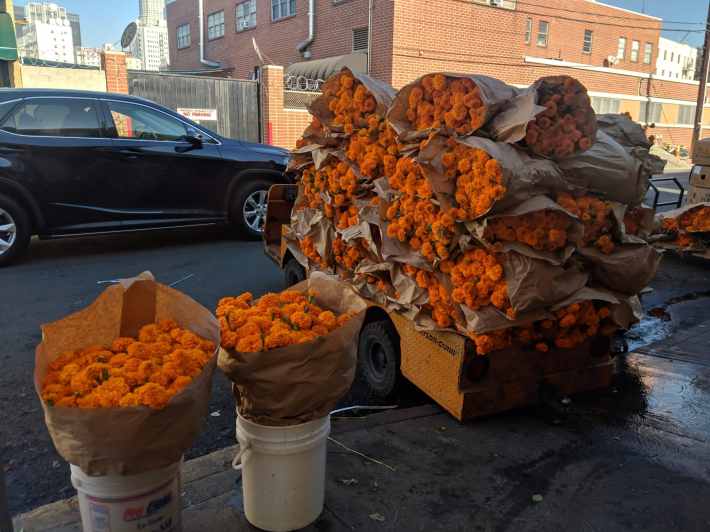
In Oaxaca, these dates are among the most important fiestas of the year. Fields are purple and orange with flor de muerto, also known as cempasúchil and Mexican marigolds in English. Ripe fruits and seeds are brought from the vast regions of Oaxaca. Pan de muerto is the most popular bread at market stalls. Traditionalists like my tia, take pride in preparing everything for her altar and celebrations from scratch. Everyone is with family, visiting homes with gifts of ofrendas (offerings) or at the panteón (cemetery). Communities and families save their money all year and prepare for months. The director of UNAM LA, Paula de Gortari, showed me a book of altars in the rural states of Guerrero and Oaxaca images that they displayed at 2018’s Hollywood Forever Dia de Los Muertos event, the biggest Muertos celebration in the United States. She remarks at the picture of the lavish altar in a home with no roof. I'm not surprised, it's a visual testament to the importance of these dates, the sacred practice of commemoration.
Why the obsession with the Muertos now? Because it is an amazing holiday that makes you think of life in a death-positive way.
Our traditions came along with us to Los Angeles from Oaxaca, which is why Día de Muertos has always had a stronghold here. We know our dead visit us wherever we are. When we build our altars, we thank our loved ones for showing us the skills when they were alive. We let them know that our traditions have not vanished and that our love and respect for them has not died, even in this foreign country. This is why my father spent years perfecting his pan de Muerto recipe and gets the cáritas de muerto (face figurines made from cornstarch) shipped from Oaxaca. It's that important to get it right.
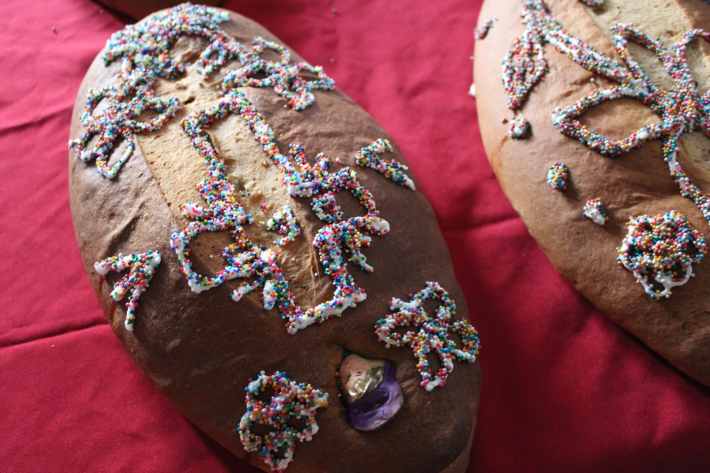
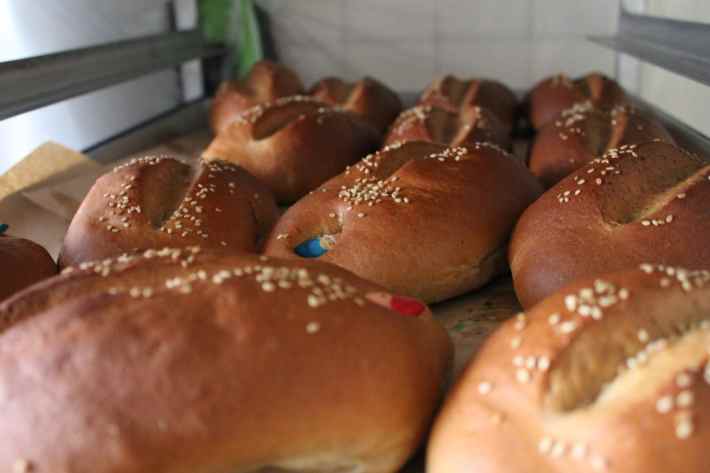
From the influence of our indigenous practices and immigration patterns, Muertos has become an integral part of Los Angeles culture. The roots of that can be traced to 1972 when Self Help Graphics first started hosting workshops and their Noche de Ofrenda. It was fueled by the Chicano Movement and the celebration was a sense of pride. It was also seen as an act of defiance against assimilation and systemic oppression. The celebrations were a way Chicanos connected to their Mexican heritage for self-expression. Four decades later in modern-day Los Angeles, Día de Muertos is pages upon pages of events and calavera make-up tutorials on Youtube that start in October and go well beyond the 2nd of November.
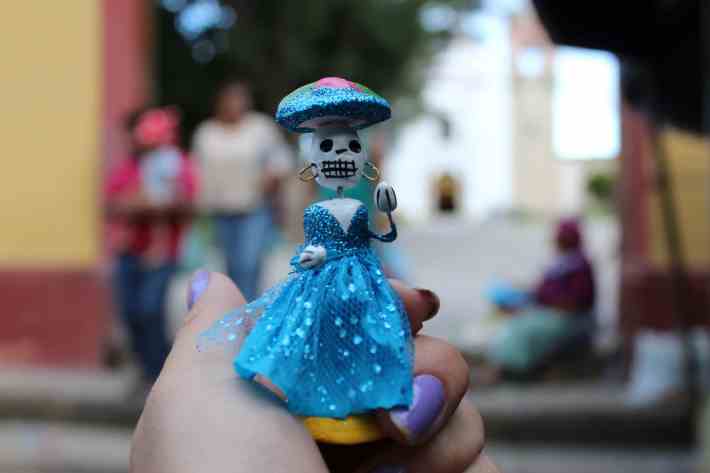
It is fair that some argue that the skull kitsch has gone too far and that it has devalued the practice with oversaturated and commercialized celebrations. Why the obsession with the Muertos now? Because it is an amazing holiday that makes you think of life in a death-positive way. Just remember that the popularity of my indigenous ancestor’s holiday took a lot of shame to get there. Culture is not a costume or a marketing opportunity. The celebrations we can hold today came are thanks to the adaptations to colonization that indigenous people had to fight and often die for.
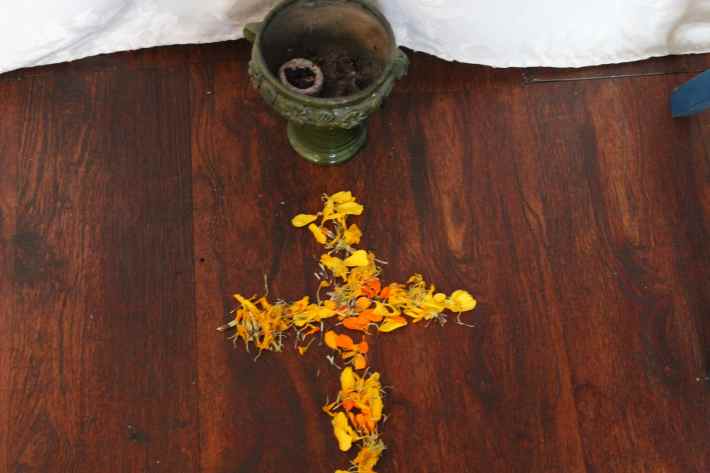
Indigeneity is in vogue, as it should be because it is a beautiful thing. I would like to kindly remind everyone that appreciation and appropriation are very different. Respect indigenous cultures and practices. A family without a roof in Oaxaca does not save all year to honor their loved ones for a Becky to go as a Mexican Sugar Skull to a Halloween party. Please understand how sacred these days of commemoration are for a lot of us who have been celebrating this holiday for generations.