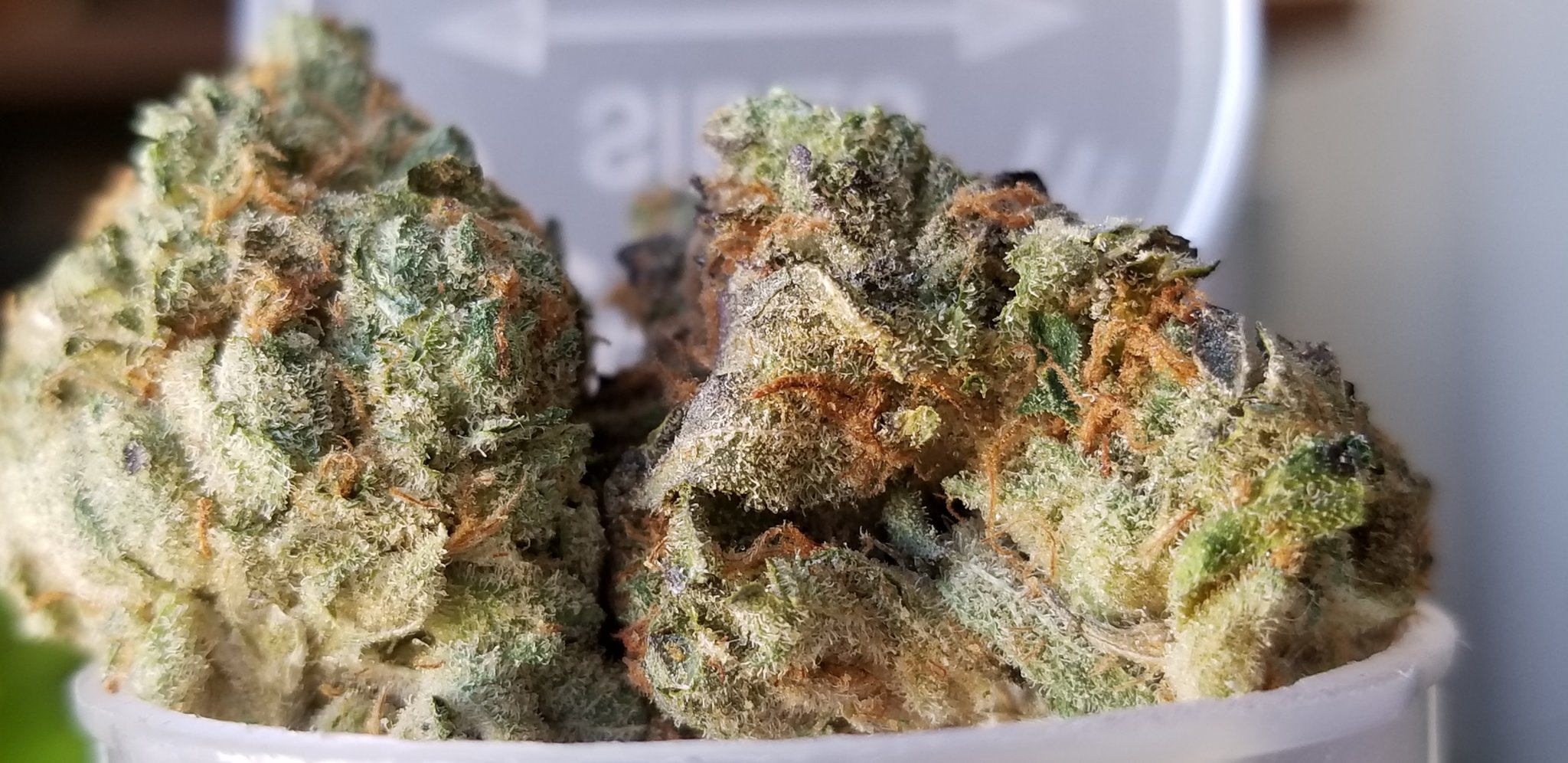
[dropcap size=big]I[/dropcap] came across the cannabis strain Coma while browsing jars at one of my favorite cannabis shops. It caught my eye because I associated the name with the type of cannabis high that I enjoy and it was labeled an indica.
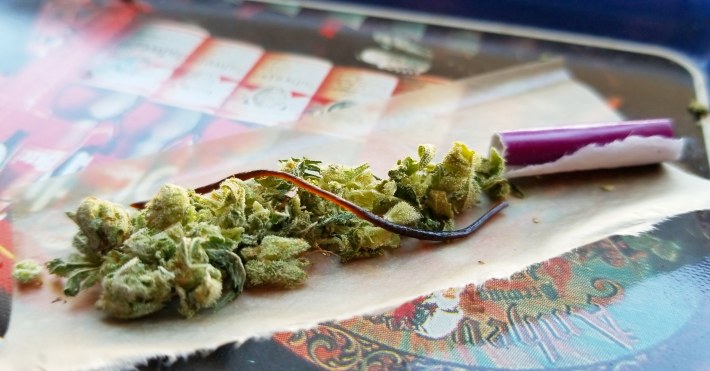
Later that evening, I shared a joint of Coma with my girlfriend, who had been suffering from insomnia the past few nights. Upon smoking, we both fell into a trancelike state that had us sprawled on the couch, staring off into thin air, which eventually lead to me falling asleep.
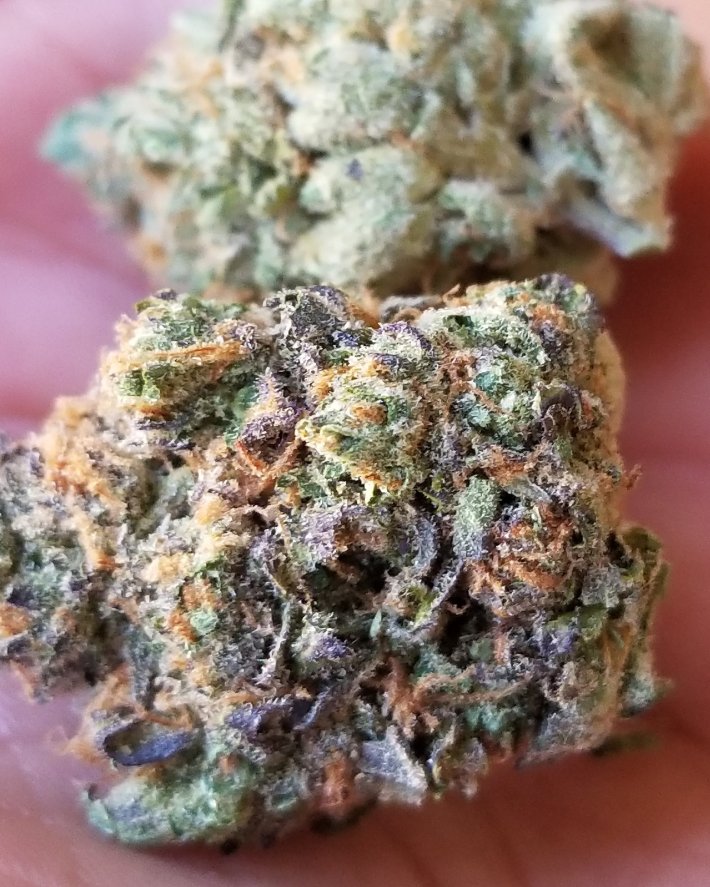
The next morning, I found out my girlfriend had a completely different experience than I did. Instead of abruptly going to sleep, the high continued to stimulate her mind and keep her up for hours. She found the experience to be intense and unpleasant.
Almost all weed shops categorize their cannabis into three different groups: sativas, indicas, and hybrids. Cultivators, distributors, and budtenders use these classifications as a way to guide customers to their desired high.
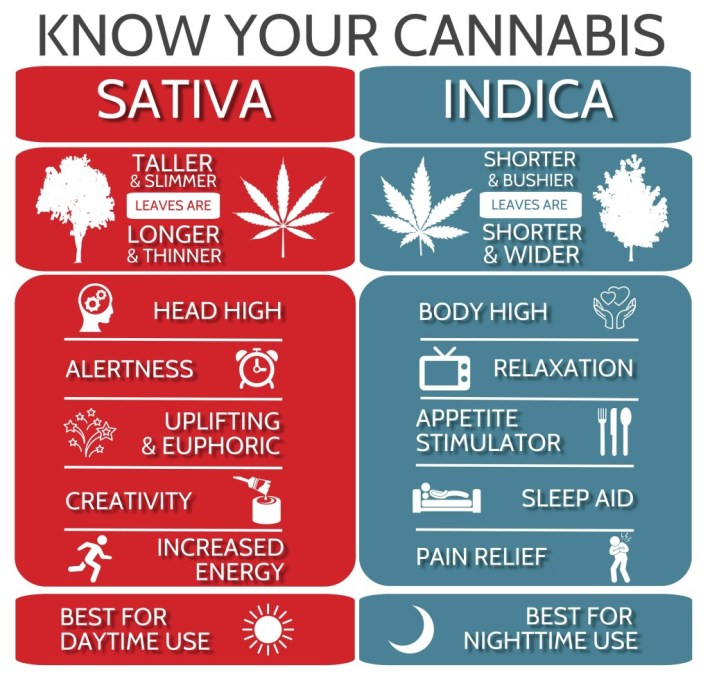
[dropcap size=big]S[/dropcap]ativas are generally known for being more of a mental high that can be productive and aide in focus. Indicas are marketed as being stronger, full-body highs that are good for treating insomnia and pain. Customers tend to favor one variety over the other.
This black and white distinction might have been true at one point but with the influx of hundreds of new crossbreeds of cannabis today, the lines between sativas and indicas have literally been crossed. That means you have indicas that take on the traits more commonly associated with sativas and vice versa.
In reality, every type of cannabis that you’ve probably come in contact with has most likely been a hybrid. There are very few examples of pure “sativa” or “indica” strains today.
RELATED: Nug Report: Charlie Sheen OG
Together, sativa and indica have been in the cannabis lexicon for over 300 years. Swedish botanist Carl Linnaeus first identified psychoactive cannabis plants as cannabis sativa in the mid 18th century.
Less than a half century later, French biologist Jean-Baptiste Lamarck identified cannabis indica as a different species while studying cannabis plants in India.
Lamarck noticed that indica plants had dark green leaves compared with sativa leaves, which are light and narrow.
In the early 20th century, Russian botanist Dmitrij Janischewsky identified a third classification of cannabis – cannabis ruderalis – after noticing a unique trait in the plant’s flowering cycle. Ruderalis plants automatically began to flower between 20-40 days after sprouting, while sativa and indica cannabis plants start to flower as a result of changing available light.
[dropcap size=big]T[/dropcap]oday most researchers agree that the difference between sativa and indica is based on how the plant grows and not its psychoactive properties.
Cultivators and distributors use the terms sativa and indica to classify different varieties of plants based on the their appearance. For growers, it's fairly easy to distinguish the two, and important to separate them in grow rooms because each category of plants has different flowering cycles and needs.
What dictates how users react to cannabis is known as The Entourage Effect.
"The Entourage Effect is what happens with different combinations of terpenes and cannabinoids. This is why smoking cannabis that contains different cannabinoids and terpenes is better and more effective than drugs like Marinol which is Synthetic THC Delta 9," Aaron Riley told L.A. Taco. Riley is president and co-founder of Van Nuys-based Cannasafe, one of the nations most prominent cannabis testing facilities.
On its own, the main psychoactive ingredient in cannabis – THC – produces no specific character. What gives cannabis its unique flavor profile and psychoactive complexity are the hundreds of other chemicals it contains, including CBD and the chemicals that control the plants fragrance. These are known as terpenes and flavonoids, both of which exists in sativa and indica plants.
"[The discussion] in the near future will be terpenes," Riley explained.
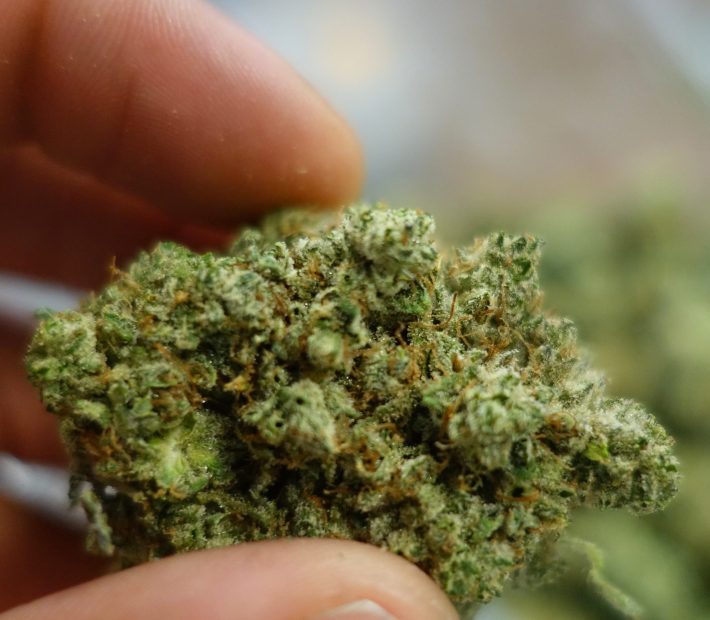
The sum of all these parts is what creates the magic high that cannabis produces and the individual reaction that cannabis consumers feel, which varies slightly from strain to strain and from person to person. Judging a strain based solely on THC content is misleading.
"Almost all of [the] current crops have been crossed and are somewhat hybridized. Also the terpenes, which really deliver the effects associated with the indicia-sativa argument, are present in both strains." Riley noted. "For instance, Myrcene, which contributes to the sleepy effects associated with indica, was the highest terpene present in a sativa-winning strain by a client. "
At the end of the day, botanists and researchers never agreed on a final taxonomy for cannabis. We’re still learning about and reshaping the lexicon of cannabis, and finding better ways to understand how individuals react to certain strains.
"In the future, we hope to be able to understand what causes different reactions between people, and even help those find desired reactions," Riley concluded.
RELATED: Weed In the Classroom: How Undergrad Students Are Introducing Cannabis Education at UCLA