This story and all of L.A. TACO's Arts coverage is sponsored by Nikos Constant.
History was made in October at the The Huntington Library when, in honor of Filipino American History Month, photographer and zine maker Valerie J. Bower was honored with an exhibit in the Huntington archival collection.
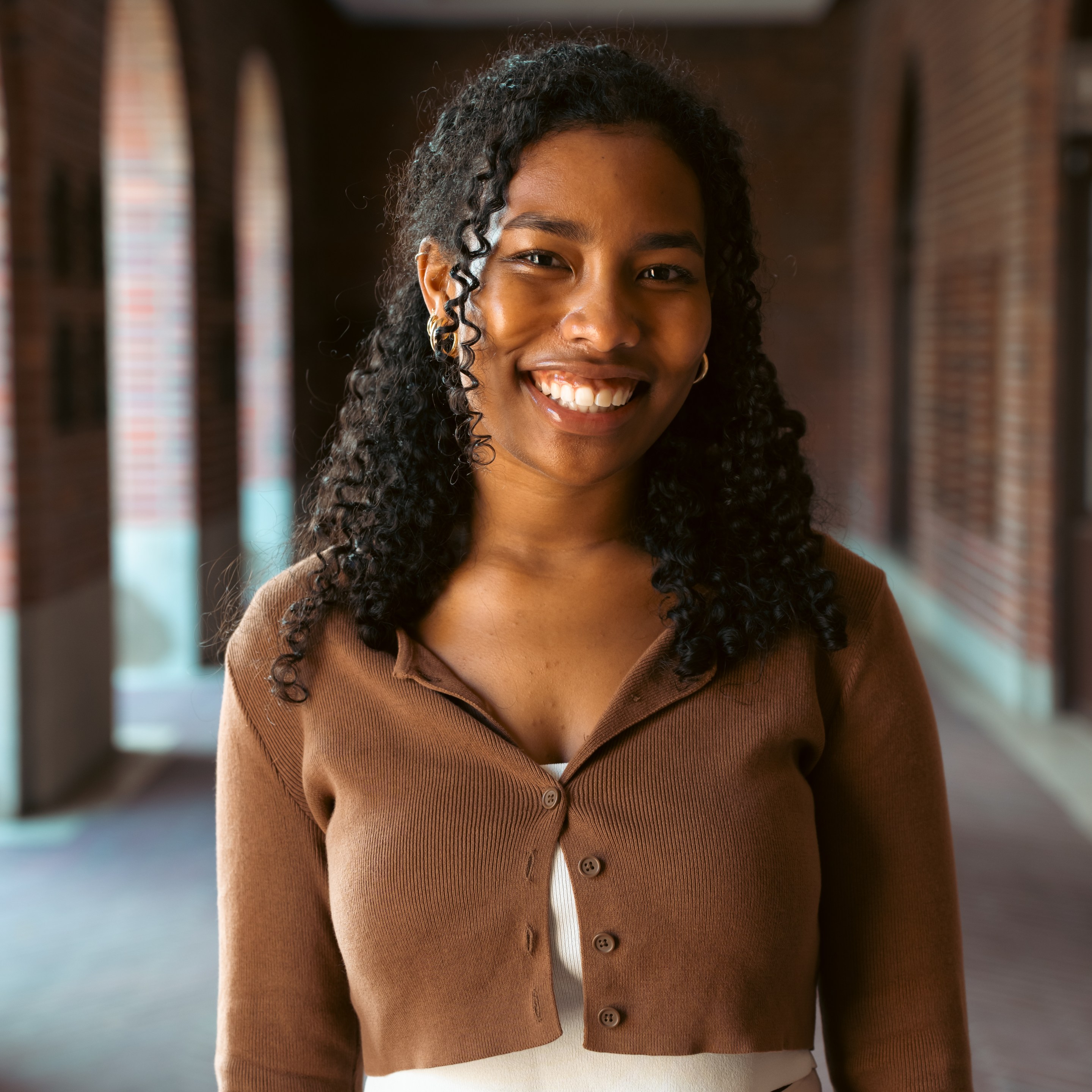
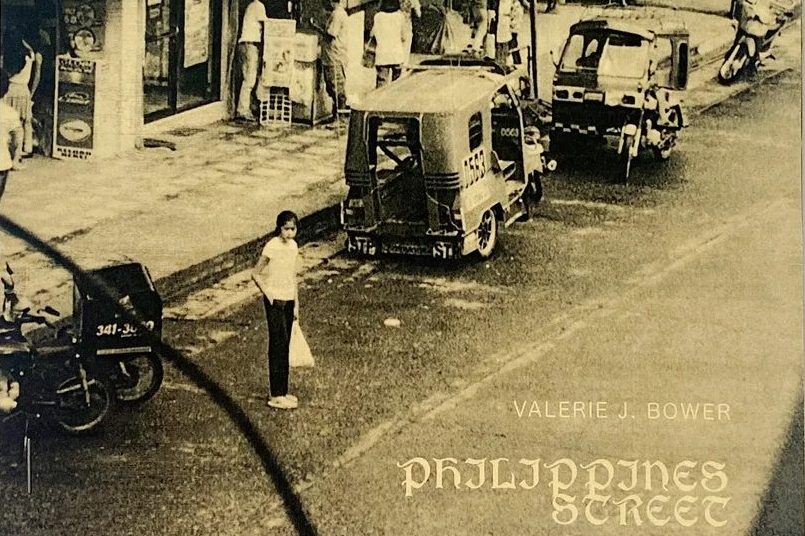
Bower, an American with Filipino heritage based in Long Beach, has been making zines with her photography since 2014 (including a couple with L.A. TACO). In her partnership with The Huntington, this selection of immense work over these past 10 years is meant to represent street culture and the lives of everyday people, spanning from Manila to Los Angeles.
The art on display includes a zine based on the stops associated with the Blue Line Train (now known as the A line) as well as photos of lowriders and local life in L.A.’s Historic Filipinotown.
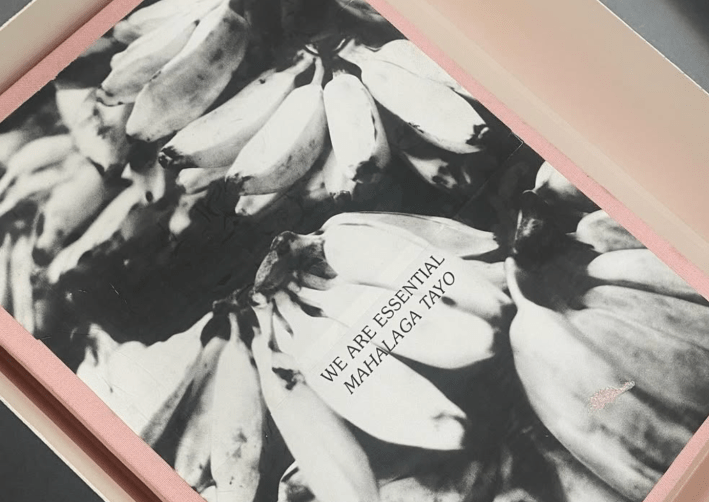
However, the most notable of Bower’s pieces on display is a copy of her zine, entitled “We Are Essential Mahalaga Tayo.” This piece, an enhanced version of a project created for a curation of Filipino American art during the COVID-19 Pandemic, was intended to celebrate the relationship between Filipino culture and food.
Bower noticed, through her own childhood and through those of her Filipino friends, that the best way to connect to your culture was through its cuisine, especially if one grew up with minimal exposure to their Filipino heritage.
“My idea was, ‘Why don't I try to see these essential workers in the Filipino American community through food?’” Bower explained. “So, I went to a couple of grocery stores and was allowed to shoot a little bit in there. And then some people who had restaurants that were closed down during that time were making food, and people were volunteering to get food and donate it to elders in the Filipino American community. It was an aspect [of foodmaking] that I had no idea about. You just go to the market, and things are there. But there's actually companies that have to facilitate those things coming from the Philippines to us.”
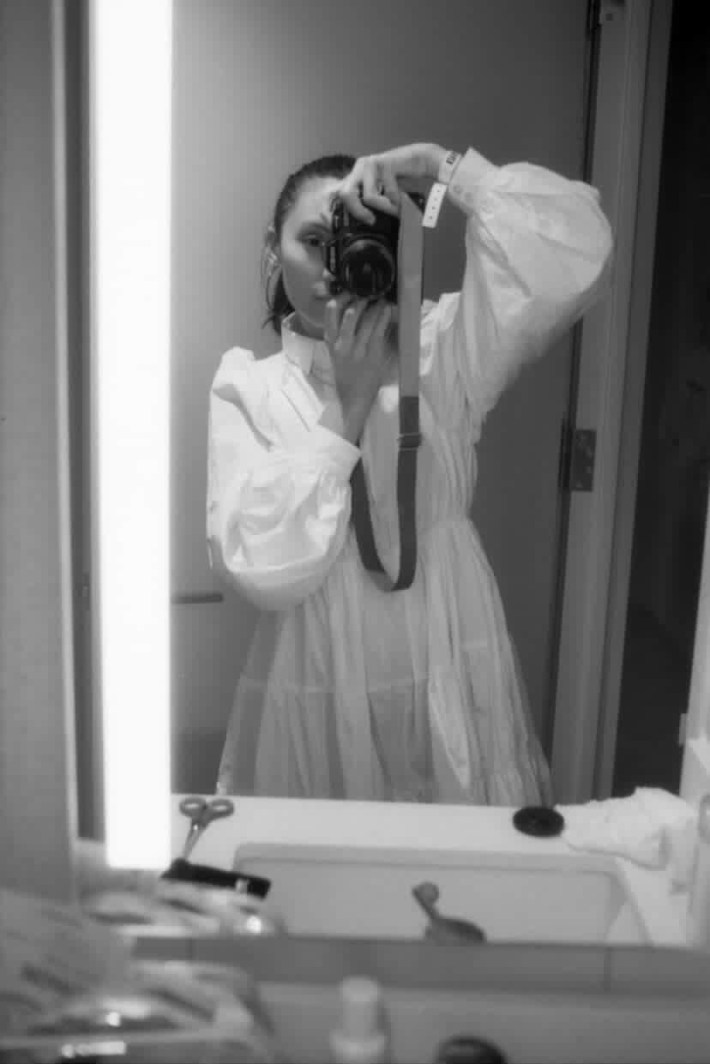
Bower began taking photos while she was in high school, but it wasn’t until after she graduated that she realized that photography, other than being beautiful, was also a way to help her heal, connect to others, and find purpose in her life.
“[Taking photos] helped me to reflect on some darker times,” she said. “The things that you're shooting or that you're gravitating toward kind of, as I look back, became some weird therapy for me. And I've always wanted to make books and to travel as a kid. I've always wanted to be an author. I look back at my little kid things that I wrote, and I'm not a writer. I'm not good at that. But I still feel happy that I am authoring books, and zines through photography.”
Bower started off selling her own zines and promoting her own events in hopes that someone would notice and resonate with her work. Her style aims to embrace the beauty of everyday life by using monochrome color to strip an image down its essence: the people and movement in each frame. Now, seeing her work on display at the Huntington Library, Bower is able to witness all of her hard work pay off.
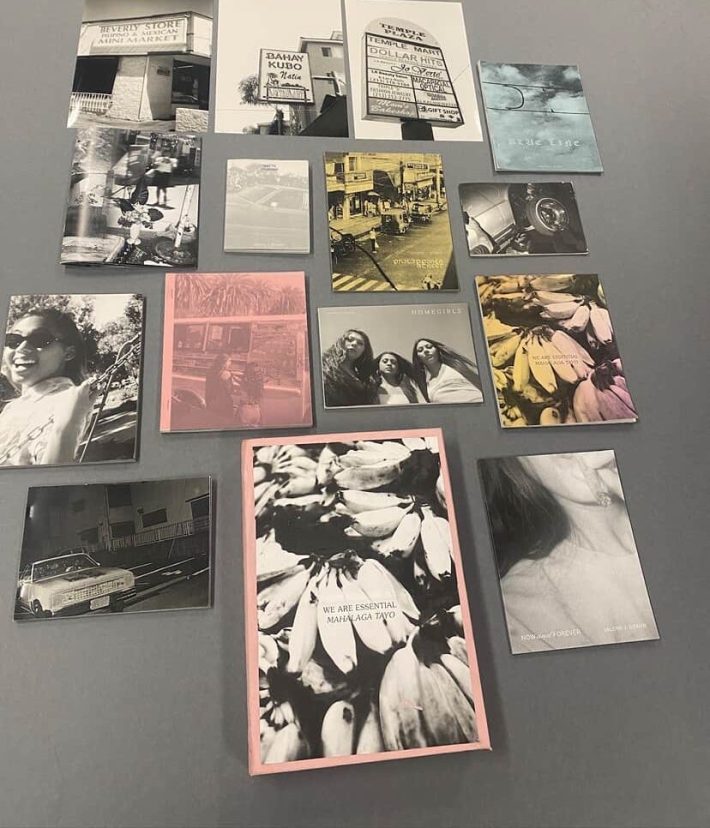
“I hope that people can see what may seem like ordinary things as special and worthy of being important, no matter what,” Bower said. “And the fact that [my work is] in the Huntington proves to people that these little projects do belong here. I mean, I have lowriding work in there. And I'm sure I'm not the first for that. But it just feels like sometimes the art world can be very snobby and very elitist, and a lot of my work is trying to show that communities of color or subcultures are worthy of being documented and presented in these spaces.”
Bower finds so much pride in this exhibit because it allows for a level of representation that she never really saw in artistic spaces before. For her, much of the images of Filipino people that she saw growing up depicted a very one-sided portrayal of the Filipino experience. “They’re a lot of the more colonial-type photos. Things are typically shot by white men or Americans, people who were outsiders. So for me to have work that's now coming from a Filipino, it just feels special, I guess. It’s like, now we’re shooting it. Now we're seeing it from our own perspective.”
According to Bower, the Library will likely continue to expand on her collection. The curator for this exhibition, another Filipino American named Linde Lehtinen, is also working to collect more Filipino photography, starting from the 1800s, to add to the accumulation of Filipino representation at the gallery.
However, no matter what happens next at the Huntington Library, Bower will always be proud of the doors that she helped open for aspiring artists, and hopes to see more diverse work represented in gallery spaces in the near future.
“We’re showing you things that we could be proud of,” she said. “I hope that people can really take away that your life and the things that are important to you are worthy and have value, and could sit in a museum alongside some other crazy work. That the silly little Blue Line book about the train or our local Seafood City can be important. It just means a lot. So I hope it means something for the people who view it too.”
The Huntington ~ 1151 Oxford Rd. San Marino, CA 91108