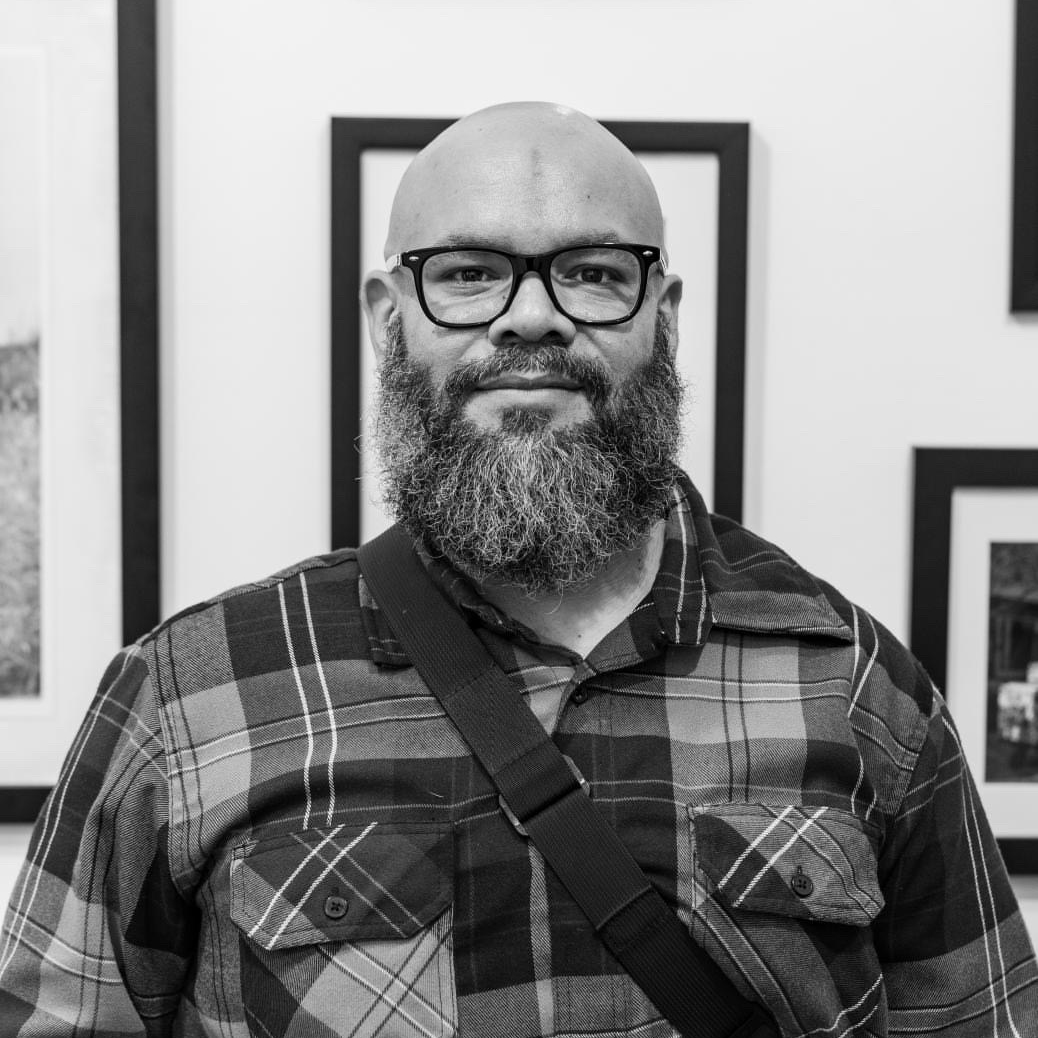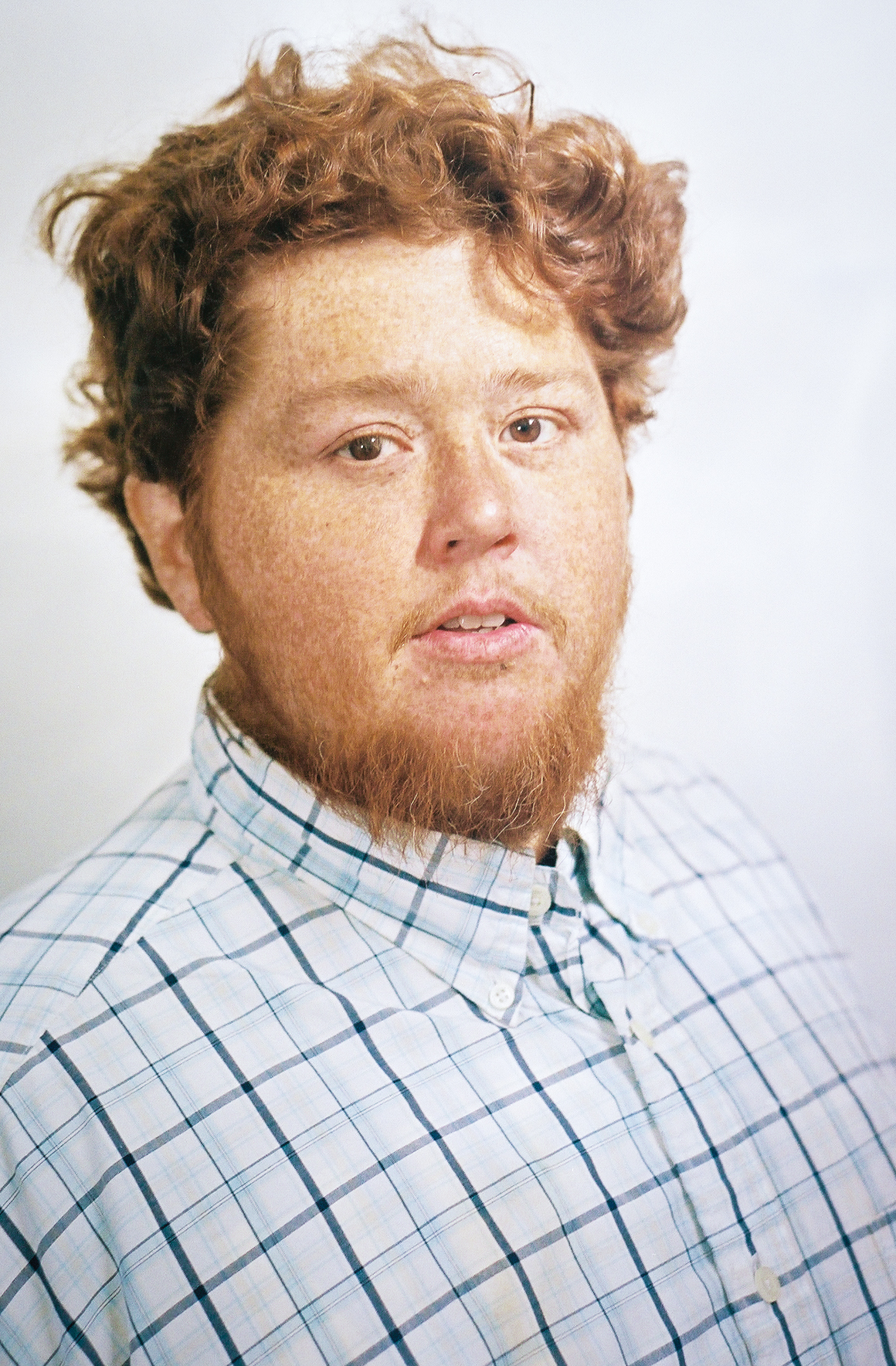
[dropcap size=big]B[/dropcap]efore he started preserving vintage Los Angeles, J. J. Englender visualized his life as a vintage movie montage. When he was 22, he got on a motorcycle in Venice Beach, hit the clutch, turned the throttle, and rolled right onto a 405 traffic jam. “I envisioned it being more of a cinematic journey across the vast landscapes and meeting all sorts of people, a la Easy Rider meets Vanishing Point,” Englender told L.A. Taco.
It's perhaps this love of film that gave birth to Englender's passion for all things nostalgia. “I’d always had an interest in history and been a collector of vintage artifacts: movie posters, photos, slides, magazines – much of it film and music related,” he explained.
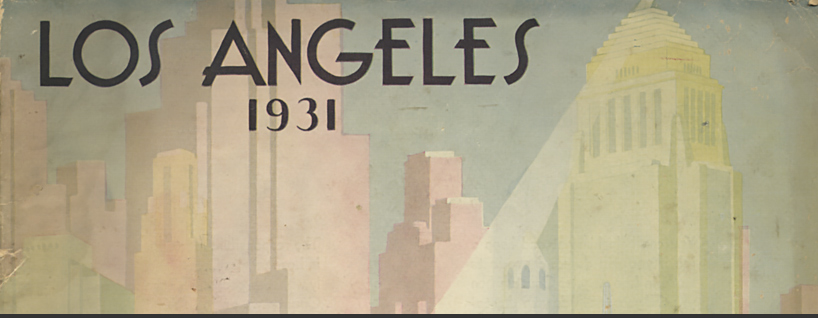
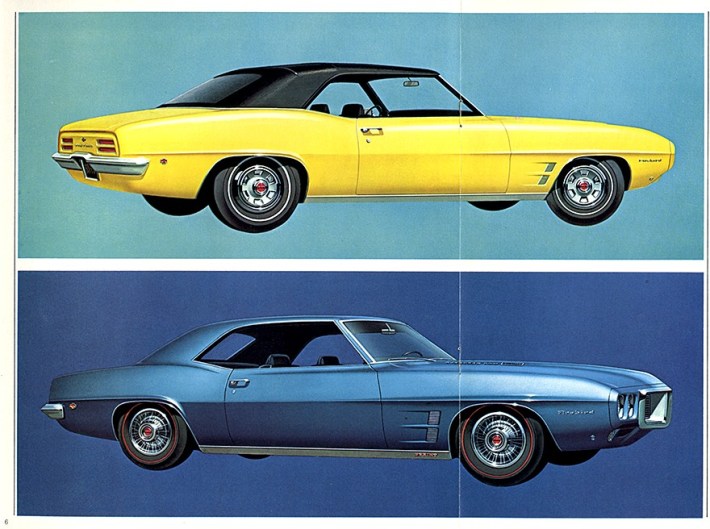
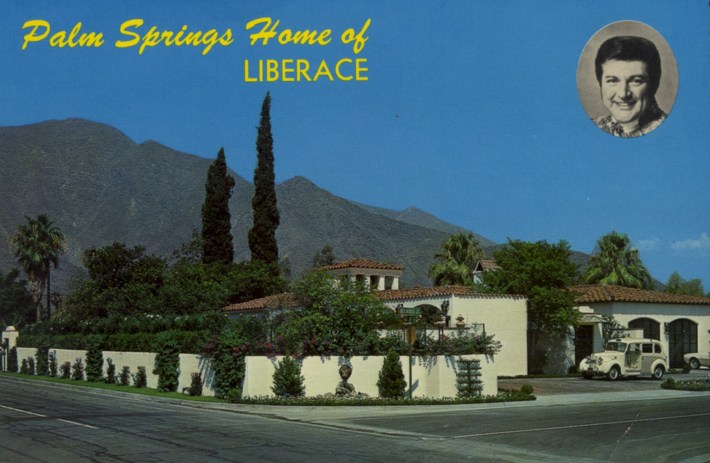
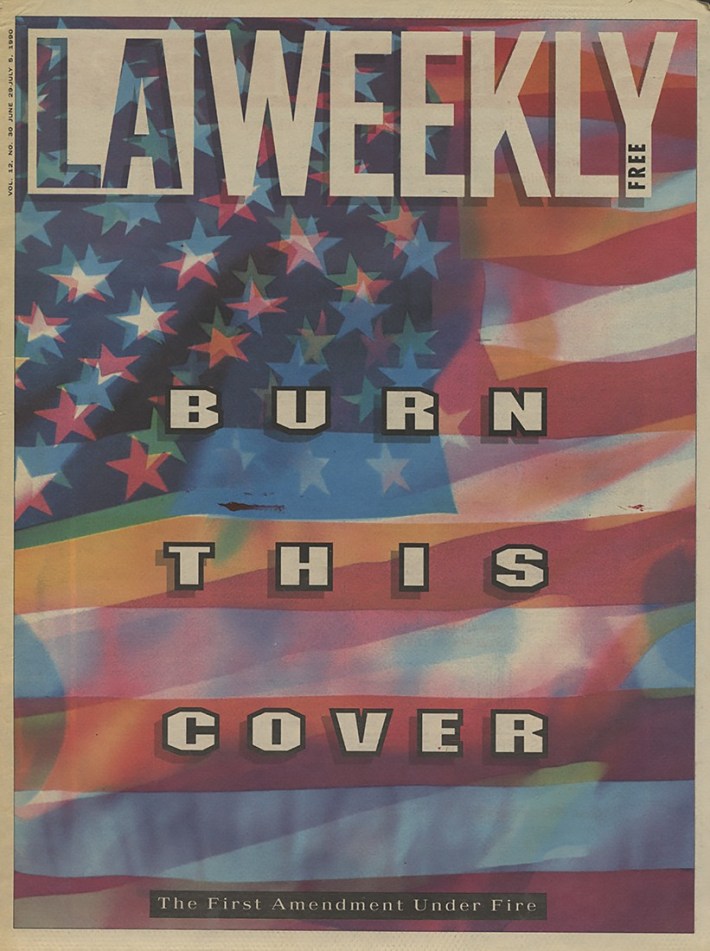
Today, Englender is a cultural archivist, which means he keeps popular history alive in the form of a massive digital archive – like this collection of LA Weekly covers – known as ADSAUSAGE. The eclectic collection includes a lot of defunct L.A. publications, vintage car ads, fashion catalogs, and more.
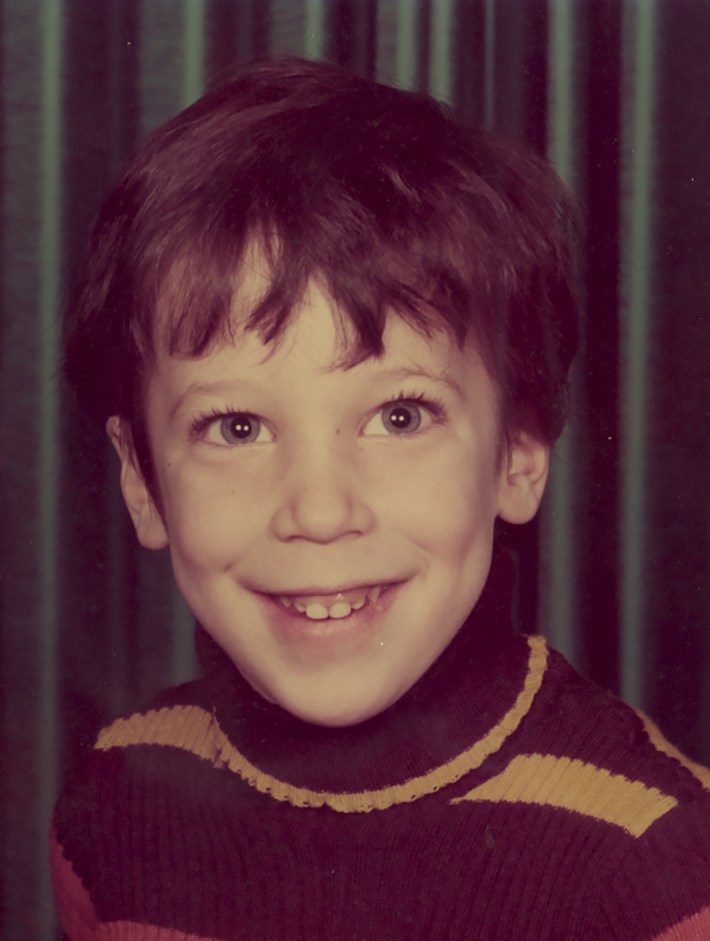
Englender was born in London in 1968. He left school at 16 to pursue a career in film. He worked in the film department at Tower Records, late night TV, and as a film researcher, before finally winding up at Hustler magazine as a web designer.
L.A. Taco recently got to interview Englender – after I rifled through his impressive free archives. We talked about what drives him to capture so much vintage L.A. history and what he hopes people get out of the project. And for nerds like me, J.J. broke down the meticulous process of taking very old printed materials and giving them a home again online.
L.A. Taco: Tell me a little bit about yourself.
Englender: I left home and came to the US when I was 22. I initially planned to travel for a few months with a friend, which didn’t work out.
After quickly learning to drive on the other side of the road, being stuck in traffic not booking anywhere in advance, coupled with my lack of direction and map-reading ability, my friend and I returned to Venice, where we were living.
Our crap building on the boardwalk was taken over by new management, and my friend went back to the UK. I decided to stay at the last minute.
When did you create ADSAUSAGE?
The website began around 2002 when I was first laid off and my son was born. It was more of a way to stay busy while I figured out what I was going to do.
Initially, the core of the site was just vintage advertising – which I loved. After about 10 years, I’d exhausted all the vintage ad material I could find and incorporated everything else I’d collected. I began adding contextual history alongside the images – the first example being the LA Free Press project.
It was during the time I discovered that archiving was an actual profession. It never occurred to me in all the years of building my online library that such a thing existed. I always thought of myself as just a curator.
What inspired the LA Weekly project?
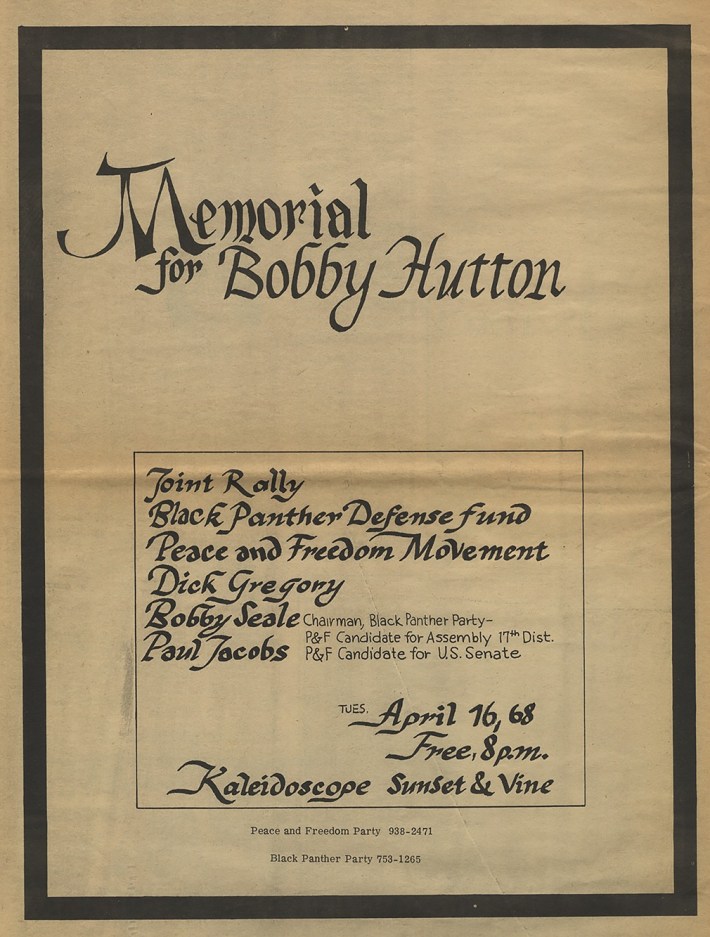
There wasn’t one particular thing that inspired it. I’m always searching for more content for the site and focused heavily on L.A.-related material in the last few years. After coming across a batch of early Weekly issues, I was eager to get them on the site – especially as I hadn’t seen them online.
What is the goal of the project?
The goal would be to acquire more issues and have people discover and enjoy it – and then realize how old they are now. It’s nice to remember certain moments from the past, and a project like this immediately takes you back – especially when you can pinpoint to a movie or show.
Like past projects, I’m happiest when people genuinely get something out of it, whether it’s nostalgic or for research.
With more hours in the day and the energy of a man half my age, I could digitize the issues cover-to-cover. There’s certainly value in the articles and columns. But my focus was music, film, and various bits and pieces.
What goes into a project like this in terms of efforts?
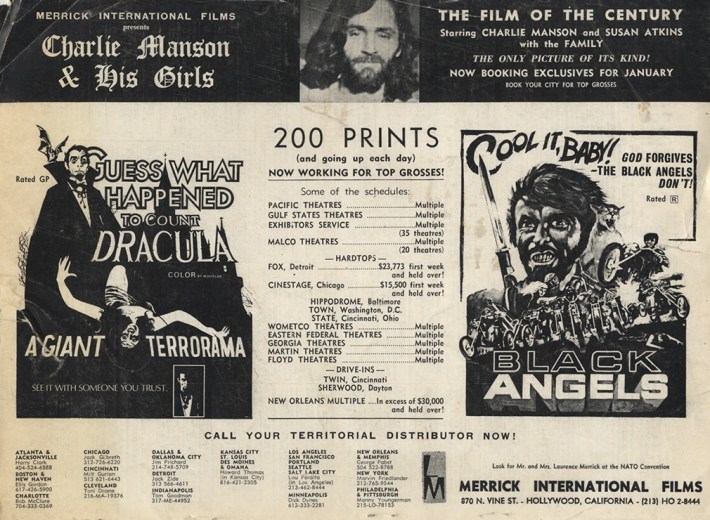
Just about everything I’ve worked on has been purchased – very little has been donated. So after acquiring the material, the tedious process of scanning at hi-rez begins. I’ve relied on a trusty tabloid size flatbed scanner for years – although certain large pieces require stitching artwork together afterward.
After saving the master files, I’ll work off the copies and start resizing for the web. I make minor color corrections if needed, rename, upload, and ultimately work on the site – adding relevant info, dates, titles, etc.
In the case of the LA Free Press project, I added substantial history and mapping locations to almost every image, and this took the better part of year. Finally, the website wasn’t purely image-based. Research was half of it.
Strong English tea every half hour was the rest.
How are you able to find so much of Los Angeles that many haven't seen before?
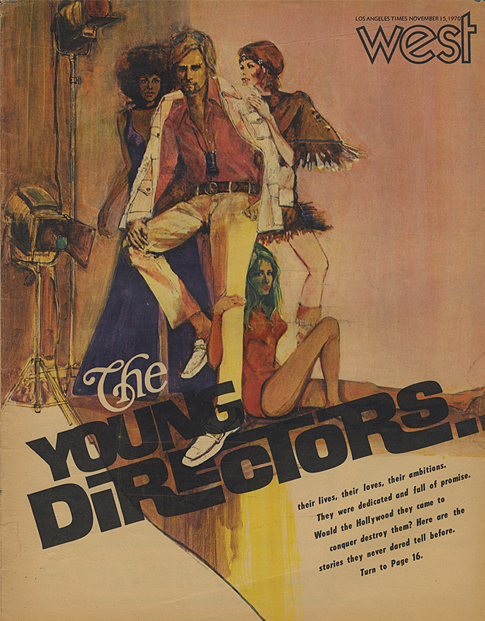
I’m always on the lookout for new material for the site. It’s certainly borderline obsessive. Since the advent of online shopping, it’s easy to search for the most esoteric of material – but it has limits. I’ll scour flea markets and estate sales, but it’s hit and miss. I can’t buy everything I find, and need to choose accordingly.
I don’t know for sure that what I’ve found hasn’t already been seen, or at least held in other collections. There are many places – USC, UCLA, Academy Library, L.A. Public Library for example – that hold large collections, be it a photographer’s entire work or long-gone newspaper archives. Though their material may not be as readily accessible (or free).
At the very least, I keep an eye out for unique items and zero in on specific areas or titles of interest – L.A. Times Midwinter, New West, New Times, Pictorial California, LA Free Press, LA Weekly, and others.
Is there a sense in your mind that print is going away and this is how we are going to preserve it?
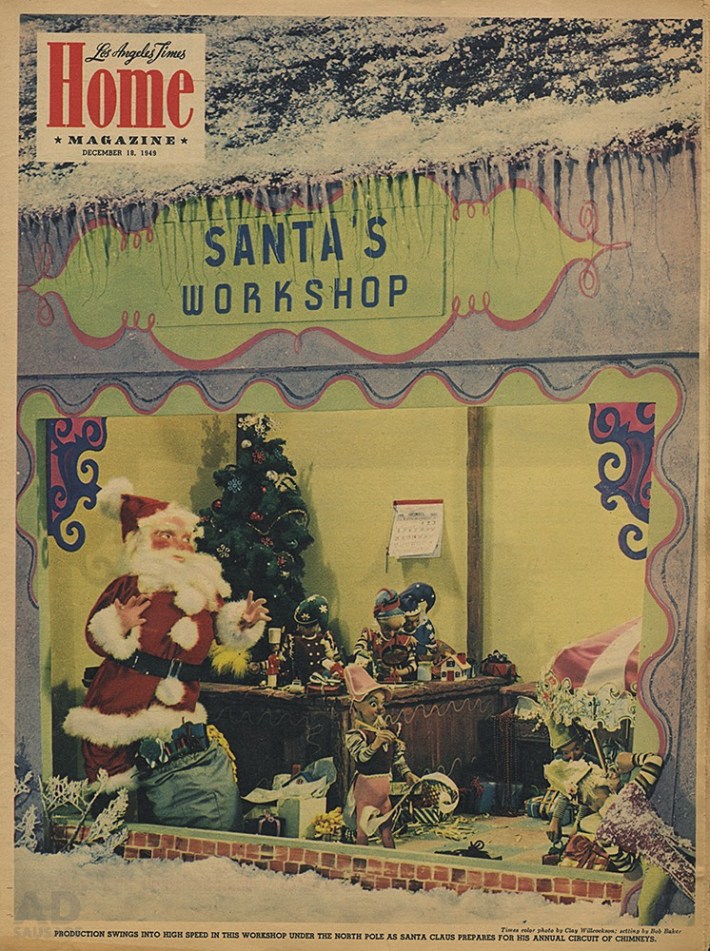
It’s not going away just yet. There’ll always be a resurgence to keep things going and I think it’ll be years before print is considered dead, newsstands are empty, and last rites are said. But there’s no denying that reading habits have changed. The business of print has changed. Depends on who you’re asking; advertisers, marketers…
With regard preservation – although I still feel like an outsider in the archival community – I know there are plenty of institutions that work diligently to preserve as much as possible and make it accessible, which is a good thing.
But – and I might be biased here – I think individual archivists often toil away on niche projects that might otherwise be overlooked. It’s these passion projects that can be the most rewarding.
See the full archive here.
RELATED: On Eve of LA Weekly's 40th Anniversary, Here's an Amazing Digital Archive of Old Covers